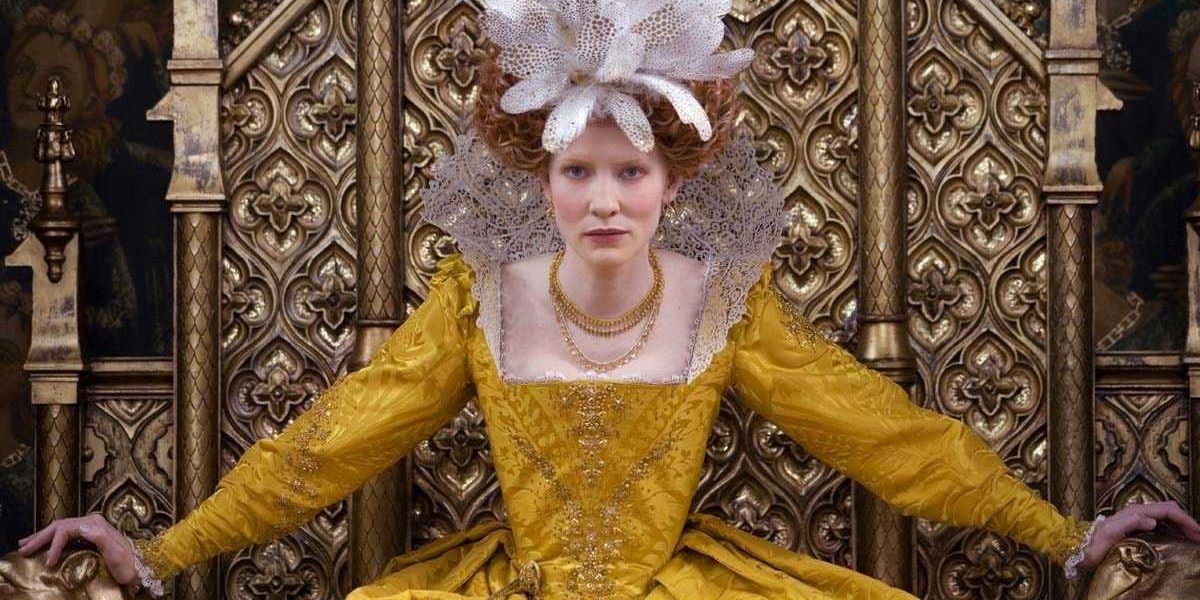
Elizabeth: The Golden Age is an instructive case study in what period costume design actually costs and why. Working on a total production budget of approximately $55 million, director Shekhar Kapur and costume designer Alexandra Byrne faced the challenge of dressing an entire Elizabethan court authentically enough to serve a story about a queen whose public image was inseparable from what she wore.
Byrne, who had previously designed the costumes for Kapur’s Elizabeth (1998), won the Academy Award for Best Costume Design for her work on the sequel.
Let’s dig into the extravagant spending behind making the 16th-century fabric used in Elizabeth: The Golden Age.
Money Behind the Fabric
One of the first calls any costume designer makes on a period production is whether to rent from existing stock or build from scratch.
For Elizabeth: The Golden Age, renting was not viable. The film was shot at Shepperton Studios and on location across the U.K. The outdoor conditions would expose rented garments to mud, rain, and physical wear. Damage to rented period pieces carries steep replacement costs, and the logistics of cleaning and returning them mid-production add overhead that can quickly outpace the rental savings.
Building new also gives the designer full creative control. According to Byrne, the fabric alone for a single Elizabeth gown cost approximately $3,000, before cutting, labor, embroidery, or accessories were factored in.
What Made the 16th-Century Fabric So Expensive?
Fabric and Labor for Embroidery
‘Elizabeth: The Golden Age’ (2007)Credit: Universal Pictures
Elizabethan court dress requires specific materials like silk, velvet, heavy damask, and metallic thread. These were expensive in the 16th century and remain expensive to reproduce.
Several of Blanchett’s gowns feature embroidery in golden thread alongside Swarovski crystals, built on rustling taffetas and damasks inspired by couture construction. That kind of embroidery cannot be mechanized. It requires skilled handwork over days or weeks, which can push a gown’s total cost from a $3,000 fabric base into five figures.
During the Elizabethan period, royal purples and certain reds were obtained from expensive dyes. Byrne chose to dress Cate Blanchett as the queen in rich, bright colors that visually set her apart from the other characters in the film.
Designing Different Shades of the Virgin Queen
‘Elizabeth: The Golden Age’ (2007)Credit: Universal Pictures
Byrne designed the queen’s costumes to closely match the period’s typical shapes and silhouettes—dramatic ruffs and collars widely associated with Queen Elizabeth and the Elizabethan era. She also incorporated the famous butterfly-shaped collar seen in the queen’s original portraits.
In the film, Elizabeth wears white to reinforce her identity as the Virgin Queen (married only to her country) and to signal wealth, since white was one of the most difficult colors to maintain in the period.
Throughout the movie, several variations of gowns were crafted for different lighting conditions and scenes. This led to a slight mismatch with historical reality, as the film depicts Elizabeth wearing bright colors such as red, blue, yellow, and even green. However, records suggest that black and white were the queen’s personal favorites.
Weight as a Tool
‘Elizabeth: The Golden Age’ (2007)Credit: Universal Pictures
Several of the principal gowns weigh more than 30 pounds. This was a deliberate choice, not a side effect of the materials.
The weight restricts how an actor moves, shortening stride length, forcing a more deliberate posture, and limiting spontaneous physical gestures. For a film about a monarch performing power in public, that physical constraint serves the performance.
Summing It Up
The collaboration between Kapur and Byrne on this film demonstrates something period filmmakers need to budget for honestly.
Historically grounded costume design at scale is one of the more expensive line items a production will carry, and its value is not decorative. Credibility in a period drama depends on it. Cutting corners on fabric, construction, or lead time tends to show on screen in ways that undercut everything else the production invests in.