I was in a coffee shop in Los Feliz the other day, and I got stuck on an idea. It’s a story that’s personal to me, one that deals with some heavy themes, and I found myself wrestling with a question: how much of a “message” should I be trying to send? And how much should just be my story?
We all want our work to matter. But how do you do that without sacrificing the story?
Luckily for me, David Lynch has some advice.
Let’s dive in.
Art and Activism
It feels like David Lynch had an answer for everything. And while I miss his movies, I miss him as a person more.
When I was looking for the answers to my questions, I came across this clip of him, which really hit home for me.
In the video, Lynch is asked about activism in his work. And while he doesn’t give a simple “yes” or “no” answer, his response is so Lynchian.
He essentially argues that the artist’s job is to be true to the art, not to a cause — that when you start with a message, you’re already putting a filter on your creativity. You’re not exploring, you’re preaching.
And he’s right.
The films that really stick with us don’t do it by beating us over the head with an overt political statement. They do it by telling a great story.
Look at a movie like Parasite. Is it a searing critique of class inequality? Absolutely. But it’s also a masterfully crafted thriller.
Bong Joon-ho didn’t write a treatise on capitalism. He told a story about a family that had real-world repercussions.
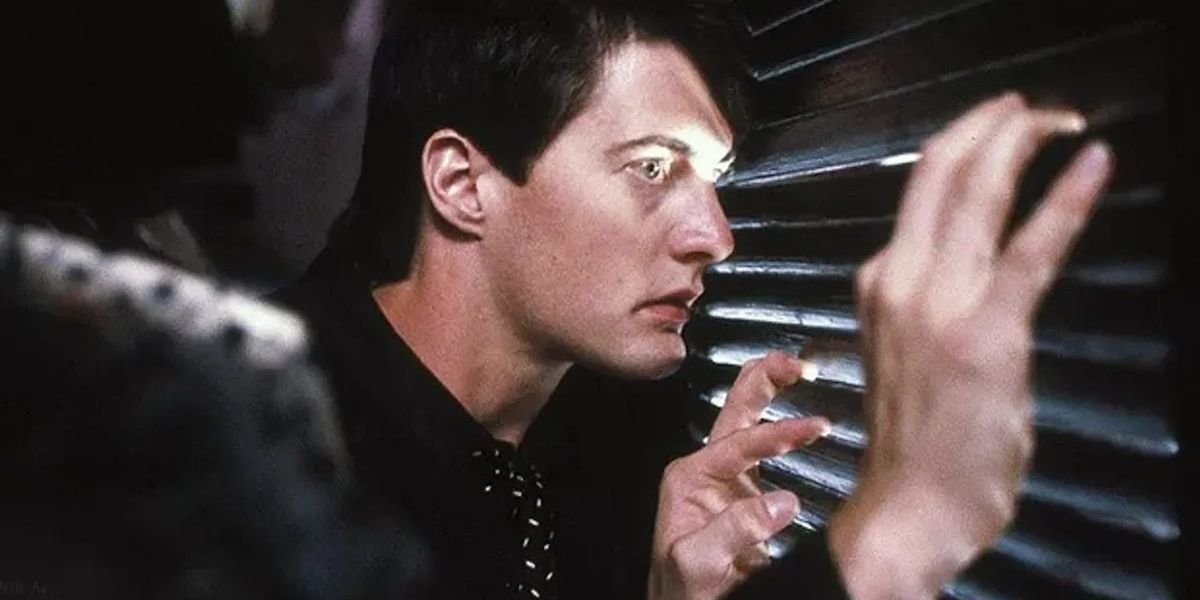
My favorite Lynch movie is Blue Velvet. It’s a commentary on the dark underbelly of suburban America. But it’s also a surreal film that works on a purely cinematic level, taking us into a world with characters that are new to them and us. Lynch isn’t interested in giving us answers. He’s interested in giving us experiences.
The hardest lesson I’ve had to learn in my career is that my job as a writer is to be vulnerable on the page. And when you do that, when you write from a place of personal truth, the “message” takes care of itself.
So, the next time you’re worried about whether your script is “saying something,” make sure it’s about yourself and your story first. The rest will follow.
Summing It All Up
What do you think? Should filmmakers be activists?
Or should the art always come first?
Let me know in the comments.