Right now, it’s not just the Millennials yearning for the old days. Y2K has become fun and trendy again with Gen Z, too. I know my FYP is full of those Norah Jones slideshows and callbacks to the “Global Village Coffeehouse” aesthetic (which was an earthy design movement from the late 1980s to early 2000s). Let me know if you see those, too.
This has spilled over, unsurprisingly, into Hollywood in the form of remakes, reboots, and sequels to properties from our childhoods.
We’re getting titles like Freakier Friday, Princess Diaries 3, Bend It Like Beckham 2, and have already seen new entries in the I Know What You Did Last Summer, Lilo & Stitch, Karate Kid, and Bridget Jones franchises.
Nostalgia is nothing new, but how can it help your screenwriting?
– YouTube www.youtube.com
What These Screenwriters Say
IndieWire recently spoke with the creative minds behind The Devil Wears Prada 2 (screenwriter Aline Brosh McKenna) and Freakier Friday (screenwriter Jordan Weiss and Elyse Hollander, who co-created the story) to explore how and why these films are important to today’s audiences.
“It was a combination of legacy producers and millennial executives and a millennial screenwriter, who were all like, ‘We either love this movie because we worked on it’ or ‘we were children when it came out and are obsessed with every part of it,'” said Weiss of Freakier Friday.
The perfect storm occurs when nostalgic fans reach positions of power in Hollywood, armed with fond memories and decision-making authority.
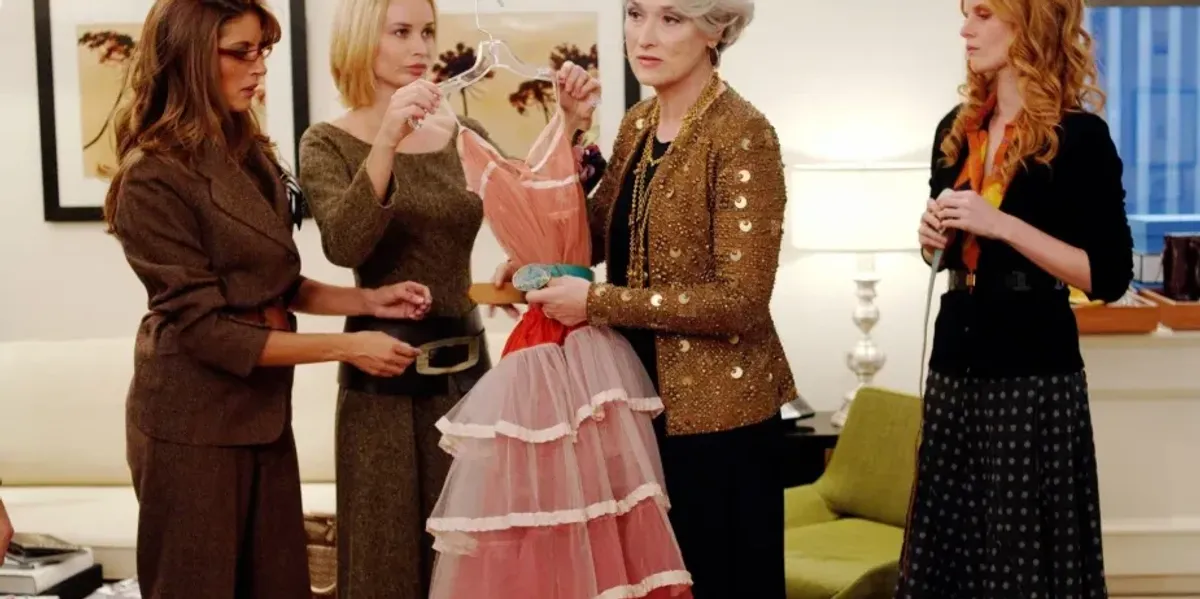
“The desire to do this again came from the creative team. It didn’t come from the studio,” McKenna said of The Devil Wears Prada 2.
Creative teams are driving these projects because they genuinely believe there are new stories worth telling in these familiar universes.
McKenna added, “The only reason to do something like this is if you have something you want to say, something creative. I’ve certainly been approached with other remakes that, in other contexts, didn’t make sense for me anyway.”
The key for screenwriters lies in understanding that nostalgia projects succeed when they offer more than just familiar faces.
In addition, McKenna discovered her sequel opportunity because “the world that these characters live in is changing so dramatically and so rapidly. I really feel like there could be something there,” she said.
The most successful nostalgic revivals use the original as a launching pad to explore contemporary themes through the characters.
Stranger Things Credit: Netflix
How to Use Nostalgia in Your Screenwriting
Screenwriting coach Lee Jessup saw this trend late last year, too, and gave some advice to Final Draft on how to work it, saying, “IP is always king. So whenever you can bring back any project that still might have a sequel in it, then why not? … I do think that there’s an appetite for more nostalgic, campy, ‘90s movies that we’re definitely seeing out there.”
Jessup also reminds writers not to neglect their original material, too, which will be important if you’re seeking reps early in your career.
If you want to use nostalgia as a writer, you might look for beloved but dormant franchises that haven’t been exploited yet. Early 2000s teen comedies, cult horror films, or even failed TV pilots might have passionate fanbases waiting to be rediscovered. Research which properties have lapsed rights or might be available for option.
If there’s a property you love, see if the original creators retain some control. You’d be surprised how easy it can be to email an original team member and ask about the status of their IP. Don’t be afraid to ask.
Write on spec—obviously just for a sample, not to make. Find an old fan favorite and give it your unique spin. Adapt a lesser-known public domain work or create a wacky sequel. These samples can show industry professionals that you understand how to balance existing voices and characters with innovation.
Go for a spiritual take on something you love, without being overt. What I mean is, you can write original screenplays that capture the essence of nostalgic properties without using the actual IP. Stranger Things did this by channeling ’80s Spielberg without being a sequel or remake of anything he made.
If you have any other ideas for nostalgia in your writing, let us know in the comments.