Believe it or not, Clint Eastwood and Alfred Hitchcock very nearly collaborated. Eastwood, like many filmmakers of his age, cited Hitchcock as an incredibly influential figure on his own work. He once graciously shared a wonderful piece of advice that Hitch shared with him over a meal conversation. Hitchcock, while listening to Eastwood over-analyze one of his films, paused him and reminded him, “Clint, you must remember, it’s only a movie.”
Alfred Hitchcock planned to cast Clint Eastwood in a planned late-career adaptation of Ronald Kirkbride’s novel, The Short Night. The film was slated to be a romance-centered espionage thriller, however the project wound up falling apart. Eastwood turned out not to be a fan of the script, and Hitchcock’s chemistry with him on a personal level allegedly wasn’t revolutionary. However, the piece of advice Hitchcock shared with Eastwood turned out to greatly influence Eastwood’s filmmaking style. It also seems to contradict Hitchcock’s.
How Clint Made Movies
Clint Eastwood released his last film, Juror #2, in 2024, after a transcendent 8-decade-long career, with six of those decades including directorial efforts. He is known for having tremendously laid-back set environments, and for only shooting one take, and a second only if absolutely necessary. Matt Damon recounts a hilarious story on the talk show Hot Ones about asking Eastwood for a second take on the set of Invictus. The filmmaker notoriously responded to his request with, “Why? Do you want to waste everybody’s time?”
Similarly, his method of calling action and cut was to simply tell actors to start when they were ready and stop when they were inclined. This philosophy harkens back to his time on Rawhide, where the horses the actors were riding would bolt every time a director would get overzealous and yell through a bullhorn.
None of this is to say that his films were without directional, visual, or thematic substance. His aforementioned final film, Juror #2, concludes with a final shot that is amongst the finest of his entire career. Toni Collette sits on a bench outside the courthouse after a tumultuous trial, with a statue carrying metaphorical weights towering over her. A gut-punch of a film conclusion, and a timely, powerful conclusion of an utterly iconic career. But his more laid-back nature certainly embodied Hitchcock’s advice more than Hitchcock himself did.
How Hitchcock Made Movies
Alfred Hitchcock was famously a far more dominant, often tyrannical filmmaker who oversaw every single minute detail of the process to make sure that it was exactly the way he wanted. Well known for sneakily defying the now infamous Hays Code, his 1948 film, Rope, famously contains overtly queer undertones that required intense monitoring and subtle implementation to dodge the censorship of the time.
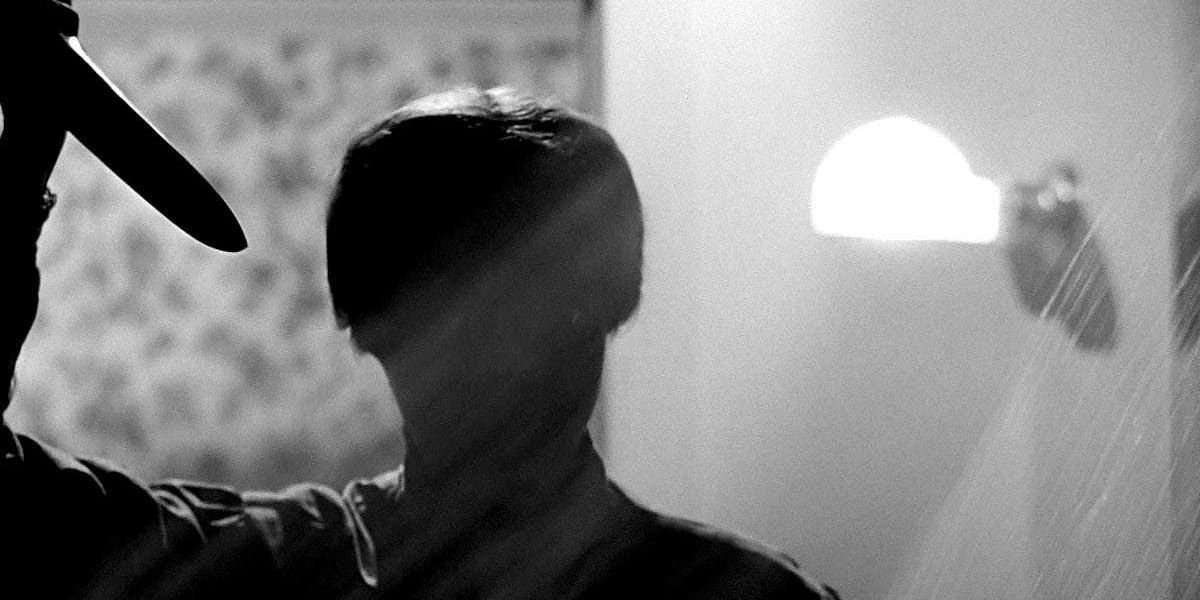
During the process of making Psycho, Hitchcock not only purchased the rights to Robert Bloch’s original novel for $9,500, but he also anonymously bought every single copy of the book that he could, in an effort to properly hide the twists of the story. Upon release of the film, Hitchcock strictly enforced a “no late-entry” policy to the showtimes for the film, with theater ushers being instructed to lock the doors to the theater immediately upon projection. All of the control clearly paid off, considering the towering success of Psycho, as well as its place in the canon today. There certainly was a method to Hitchcock’s madness throughout his career, even when it didn’t seem like he could follow his own advice.
Which Method Produces the Best Results?
When it comes to which filmmaking style seems to be most triumphant, it’s difficult to assign a “winner” with methodologies like this. It really all comes down to the artists and the people who consume their work. However, when it comes to stories like Tippi Hedren’s during the making of The Birds compared to the stories of actors who work with Clint Eastwood, there seems to be a clear winner in that department, and it isn’t the master of suspense. But at the end of the day, and after all of the analysis of the films and the filmmakers, we still just have to remember a few key words: they’re only movies.