4 min readUpdated: Aug 14, 2026 03:40 PM IST
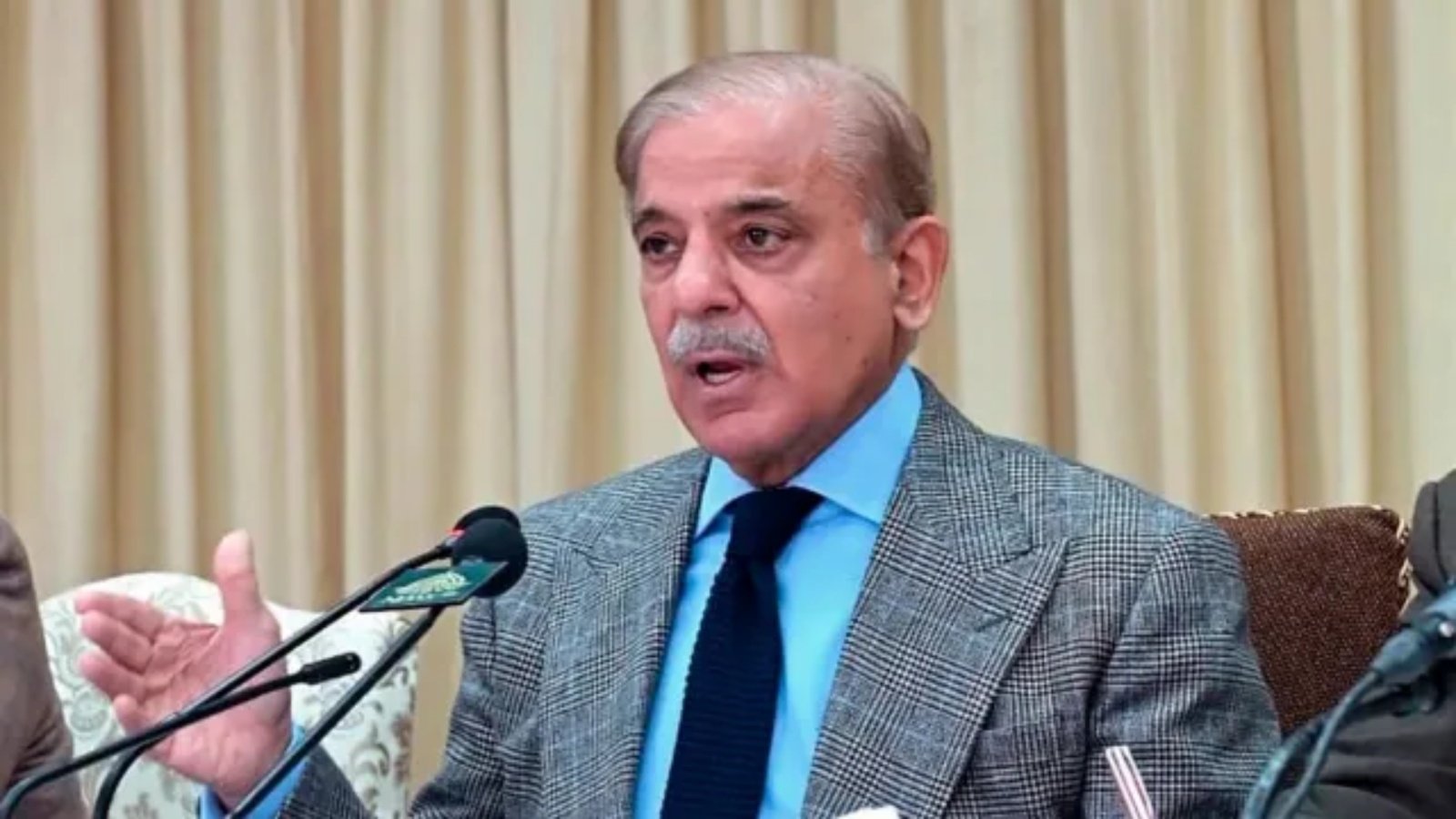
Pakistan Prime Minister Shehbaz Sharif has again criticised India’s decision to keep the 1960 Indus Waters Treaty in abeyance, warning that Pakistan’s water is a “red line” and saying Islamabad would respond directly if its water supplies were threatened. Sharif said Pakistan wanted peace and stability in the region but warned that its preference for peace should not be mistaken for weakness.
Sharif’s remarks came during the inauguration of Yadgar-e-Fatah, or Monument of Victory, in Islamabad on Thursday, which Pakistan has presented as a memorial to its account of last year’s conflict with India. “India must come to the right path, otherwise it will be given a direct response,” he said.
Pakistan’s PM Shehbaz Sharif on India:
After the defeat in the war last year, India proved itself an enemy of peace by unilaterally and illegally suspending the Indus Waters Treaty.
I declare in clear terms that every single drop of Pakistan’s water is our red line.
If India… pic.twitter.com/ZvBLJDkr3s
— Clash Report (@clashreport) August 13, 2026
India announced on April 23, 2025, that it was keeping the treaty in abeyance, a day after the April 22 Pahalgam terror attack in which 26 people were killed. India said the move was in response to the Pahalgam attack and Pakistan’s support for cross-border terrorism.
Omar Abdullah hits back
Responding sharply to Sharif’s remarks, Jammu and Kashmir Chief Minister Omar Abdullah said the treaty had constrained the region’s ability to make fuller use of its water resources, while Pakistan had benefited from the arrangement.
“Pakistan often claims to be a great well-wisher of the people of Kashmir. But when it comes to water, where does that concern disappear?” Abdullah said.
Abdullah said the treaty had prevented Jammu and Kashmir from fully utilising its water resources. He pointed to restrictions on drawing drinking water from the Chenab, constructing a barrage at Tulbul and building large dams to store and regulate water.
“Of the six rivers, three, those flowing through Punjab, were retained by India, while the other three were handed over to Pakistan. We have been suffering the consequences of the Indus Waters Treaty ever since,” he said.
VIDEO | Srinagar: Jammu and Kashmir CM Omar Abdullah on Pakistan PM Shehbaz Sharif’s remarks on Indus Waters Treaty, says, “Yes, this is our blood. We have always said that our blood has been drained. This water is ours… these are our rivers, and we had a rightful claim to… pic.twitter.com/zDYHBS1RJt
— Press Trust of India (@PTI_News) August 14, 2026
Responding to Sharif’s description of water as a “red line”, Abdullah said Kashmiris also viewed the region’s rivers as vital to their own future, saying this is “our blood”.
Story continues below this ad
“We have always said that our blood has been drained. This water is ours… these are our rivers, and we had a rightful claim to them,” Abdullah said. He added that India’s decision to place the treaty in abeyance should continue.
“Now that the Indus Waters Treaty has been cancelled, it should remain cancelled so that we can make proper use of our water resources,” Abdullah said.
About Indus Waters Treaty
The Indus Waters Treaty (IWT), signed by India and Pakistan in 1960 with the World Bank as a mediator, governs the sharing of the Indus River system’s waters. Under the treaty, the eastern rivers — Ravi, Beas and Sutlej — were allocated for India’s unrestricted use, while the western rivers—Indus, Jhelum and Chenab—were largely allocated to Pakistan.
India is permitted limited uses of the western rivers, including domestic use, agriculture and hydroelectric power generation, subject to treaty conditions. The agreement also establishes mechanisms for cooperation and resolving disputes over water between the two countries.